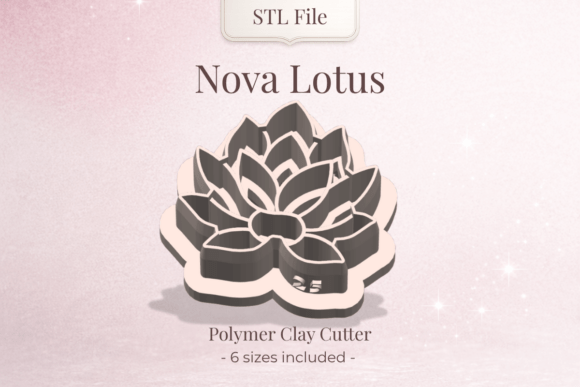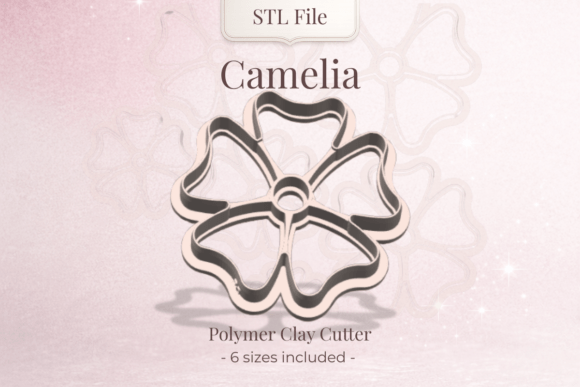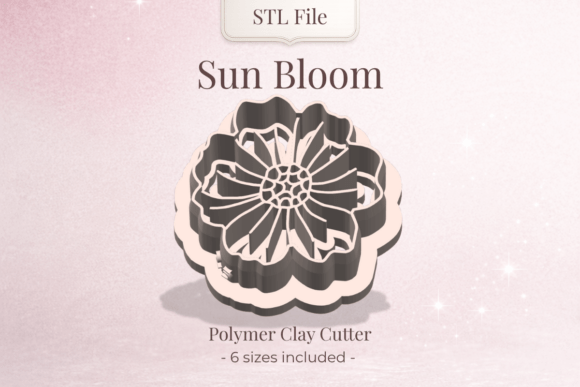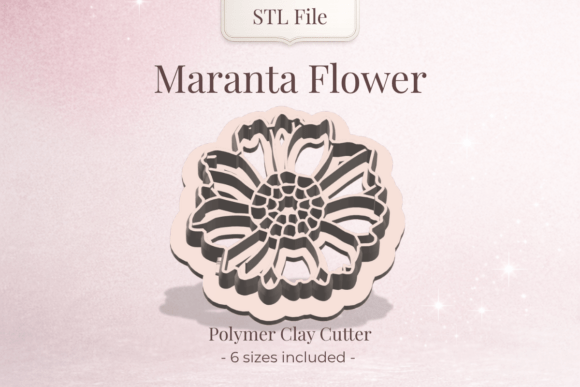
Clay Cutter STL – Soft Hibiscus Flower
There is a distinct satisfaction in the moment when a polymer clay cutter slices through soft material, leaving behind a perfectly defined shape with crisp edges. For artists and jewelry makers who have grown tired of mass-produced metal tools or inconsistent results from cheap plastic molds, the Clay Cutter STL – Soft Hibiscus Flower offers a compelling alternative. This digital design file represents a shift toward customization and precision in the crafting world. Created by S.I. Originals, this specific cutter captures the delicate, flowing lines of a hibiscus bloom, translating organic botanical beauty into a functional tool for 3D printing.
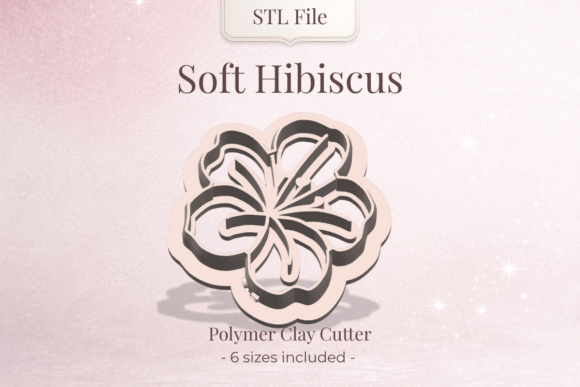
The visual character of the Soft Hibiscus is defined by its gentle curves and open petals, which mimic the natural unfurling of the flower. Unlike rigid geometric shapes often found in standard craft supplies, this design possesses a personality that feels both elegant and approachable. When used to cut polymer clay, it produces pieces that carry an immediate sense of sophistication, making them ideal for high-end earrings, pendants, and floral jewelry arrangements. The ability to produce such a refined shape at home, using a standard FDM printer, democratizes access to professional-grade design assets.
Why Custom Cutters Transform Your Creative Workflow
In the realm of small business and creative entrepreneurship, having unique tools is just as important as having a unique product line. The Clay Cutter STL – Soft Hibiscus Flower is not merely a file; it is a foundational element for building a distinct brand identity. When you manufacture your own cutting tools, you eliminate the limitations of what is available on store shelves. You gain the freedom to experiment with sizes, thicknesses, and variations that cater specifically to your artistic vision.
This digital asset is optimized for reliability. The design features a sturdy wall structure that ensures the printed cutter does not flex or break under pressure, a common issue with poorly designed 3D models. Furthermore, the inclusion of a precise 0.4 mm cutting edge allows for clean separation of the clay without tearing or squashing the delicate petal details. For those working with polymer clay, consistency is key to maintaining quality across a production run. A sharp, well-defined cutter ensures that every piece looks identical, which is crucial for creating matching sets of earrings or cohesive collections for retail.
Consider the workflow of a jewelry maker preparing for a market day or an online launch. With traditional methods, sourcing a specific floral shape might involve waiting weeks for shipping or settling for a generic substitute. By downloading the Clay Cutter STL – Soft Hibiscus Flower, you can print multiple sizes instantly. The package includes six distinct dimensions—ranging from 25 mm to 50 mm—allowing you to create everything from tiny stud accents to bold statement pieces. This scalability empowers creators to diversify their inventory without significant upfront costs in tooling.
Optimizing Your Print Settings for Precision Results
To fully leverage the potential of this design, understanding the printing process is essential. While the file is compatible with most standard FDM 3D printers, the choice of material and settings directly impacts the longevity and performance of the cutter. PLA (Polylactic Acid) is the recommended material due to its rigidity and ease of printing. It provides the necessary hardness to cut through cured or semi-cured polymer clay effectively.
When slicing the model, attention should be paid to the infill density and layer height. A higher infill percentage, typically around 80% to 100%, is advisable for the main body of the cutter to ensure structural integrity during use. The cutting edge, being only 0.4 mm thick, requires careful calibration of the nozzle diameter and flow rate to prevent under-extrusion. If the edge is too thin or rounded, the cutter will drag rather than slice, resulting in jagged clay edges that require excessive sanding later.
Print orientation also plays a critical role. Printing the cutter standing upright usually yields the best surface finish on the cutting face, minimizing the need for post-processing. However, some printers may struggle with overhangs depending on the specific geometry of the hibiscus petals. In such cases, slight support structures may be necessary, though they should be removed carefully to avoid damaging the sharp edge. Testing a single 25 mm version before committing to a full batch of larger cutters is a practical strategy to fine-tune these variables.
Applications in Jewelry Design and Brand Building
The versatility of the Soft Hibiscus design extends beyond simple utility. It serves as a signature element that can define a creator's aesthetic. In the context of branding, consistent use of a specific motif helps audiences recognize products instantly. Whether displayed on social media graphics, packaging design, or within the physical jewelry itself, the hibiscus shape becomes a recognizable symbol of the brand.
For designers focusing on editorial projects or lookbooks, these cutters allow for the creation of props and accessories that match the theme perfectly. Imagine a photoshoot featuring tropical themes; having custom-cut clay flowers in varying sizes adds depth and authenticity to the composition. The clean lines of the cutter translate into a modern typography-like quality in the physical object, offering a sleek contrast to the organic texture of baked clay.
Furthermore, the commercial viability of this tool cannot be overstated. Small business owners can expand their catalog with minimal risk. Instead of investing hundreds of dollars in custom metal dies, the cost of a digital download and a few grams of filament is negligible. This low barrier to entry encourages experimentation and innovation. Artists can pair the hibiscus shapes with other elements, layering different colors of clay or adding metallic powders to enhance the visual hierarchy of the final piece.
Practical Considerations for Long-Term Use
- Maintenance: Keep the cutting edge clean of clay residue to maintain sharpness. A simple wipe with a damp cloth after each session prevents buildup.
- Storage: Store cutters flat or in a protective case to prevent the thin edges from chipping against hard surfaces.
- Safety: While PLA is durable, always handle the sharp edges with care to avoid injury, especially when removing excess clay.
- Scaling: Use the provided size range to test market demand. Start with the 30 mm and 35 mm sizes, which are popular for earring components.
Ultimately, the Clay Cutter STL – Soft Hibiscus Flower bridges the gap between digital design and tangible artistry. It empowers creators to take control of their production process, ensuring that every piece they craft reflects their personal style and professional standards. By integrating this tool into your workflow, you are not just making jewelry; you are refining your craft and building a more resilient, adaptable creative practice.