Clay Cutter STL – Floral Earring - Kave: A Practical Guide for Makers
If you are a polymer clay artist looking to streamline your jewelry production, the Clay Cutter STL – Floral Earring - Kave offers a compelling solution. Created by S.I. Originals, this digital design allows you to 3D print your own cutting tools, providing a cost-effective way to produce consistent floral shapes without the expense of buying multiple metal cutters. However, simply downloading an STL file does not guarantee success. The difference between a frustrating, jagged cut and a clean, professional finish often lies in how you prepare, print, and utilize the file. Understanding the nuances of this specific design can save you time, material, and frustration.
Understanding the Value of Digital Clay Cutters
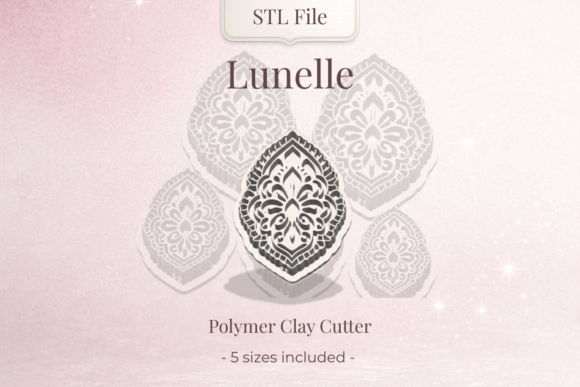
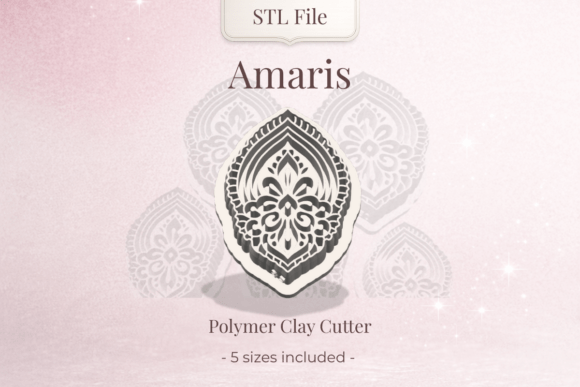
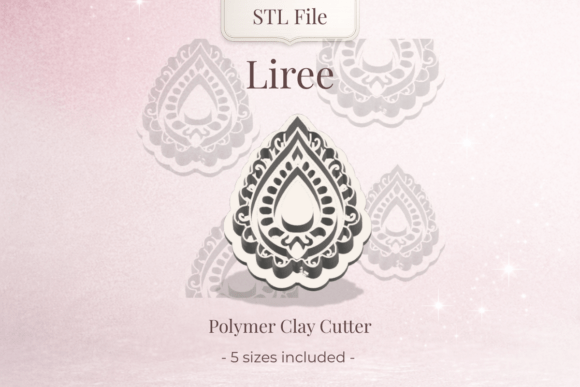
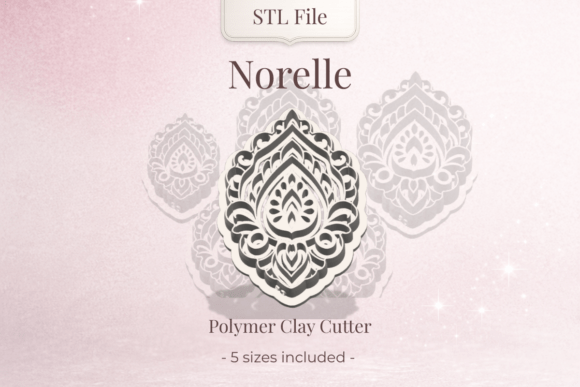
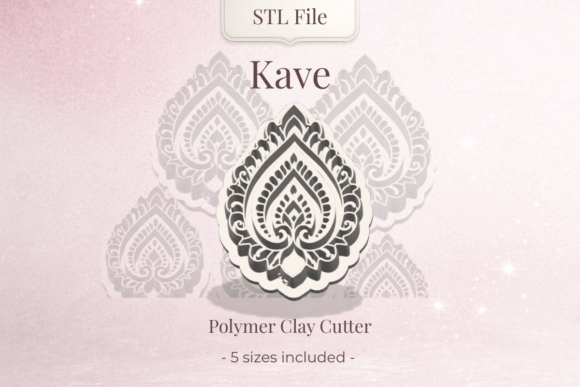
The appeal of the Clay Cutter STL – Floral Earring - Kave is rooted in flexibility and scalability. Unlike traditional metal cutters that come in fixed sizes, this digital file includes five distinct dimensions: 30 mm, 35 mm, 40 mm, 45 mm, and 50 mm. This variety is essential for creating graduated earrings or matching sets where size variation adds visual interest. For small business owners and hobbyists alike, the ability to print exactly what you need, when you need it, eliminates inventory costs and shipping delays associated with physical purchases.
Furthermore, the design features a specific 0.4 mm cutting edge optimized for FDM (Fused Deposition Modeling) printers. This precision is critical because polymer clay requires a sharp, defined perimeter to release cleanly from the cutter. If the edge is too thick or rounded, the clay will drag, resulting in distorted petals and wasted effort. The "Kave" pattern itself is designed with sturdy walls to withstand the pressure of rolling pins and hand-cutting techniques, making it a durable addition to any creative studio.
Common Pitfalls in Choosing and Printing Your Cutter
Despite its advantages, many makers encounter issues because they treat the STL file like a standard plastic toy rather than a precision tool. One of the most frequent mistakes is ignoring the recommended print settings. While the file is designed for PLA or PLA+, using a layer height that is too high can ruin the cutting edge. If you print with a 0.28 mm or 0.3 mm layer height, the 0.4 mm edge becomes indistinguishable, leading to ragged cuts that require excessive filing.
To avoid this, adhere strictly to the suggested layer height of 0.16 mm to 0.20 mm. This setting ensures that the nozzle lays down filament thinly enough to maintain the sharpness required for slicing through soft clay. Additionally, printing speed plays a crucial role. Rushing the print at speeds exceeding 150 mm/sec can cause vibration artifacts on the outer walls of the cutter. These imperfections may seem minor on a table but will translate directly into the surface of your polymer clay, leaving unwanted ridges on your finished earrings.
Material Selection Matters
Another overlooked detail is the choice of filament. While standard PLA is acceptable, some users report that the cutter wears down faster than expected after repeated use. For those planning to mass-produce jewelry, upgrading to PLA+ or a slightly more rigid composite material can extend the lifespan of the tool. The goal is to balance rigidity with durability; if the material is too brittle, the thin cutting edge may snap under pressure. Conversely, if it is too flexible, the cutter will deform during use, altering the shape of the floral design over time.
Preventing Usage Errors and Ensuring Clean Cuts
Once your Clay Cutter STL – Floral Earring - Kave is printed, the process shifts from manufacturing to application. A common misconception is that 3D-printed cutters work exactly like steel ones immediately out of the printer. In reality, the transition from raw filament to a polished tool requires attention. Before your first use, inspect the cutting edge closely. Even with optimal settings, microscopic stringing or rough spots can occur.
A practical approach is to lightly sand the bottom edge of the cutter with fine-grit sandpaper (400 grit or higher). This step smooths out any minor irregularities left by the nozzle, ensuring a seamless glide through the clay. Skipping this step often results in the clay sticking to the cutter or tearing as it is removed. Remember, the cleaner the cut, the less finishing work you will need to do later, which is vital for maintaining efficiency in a busy studio.
Handling and Storage Best Practices
Storage is another area where mistakes can lead to damaged tools. Because these cutters are made of plastic, they are susceptible to warping if exposed to high heat or direct sunlight. Storing them in a hot car or near a window can soften the PLA, causing the intricate floral details to lose their definition. Always keep your cutters in a cool, dry drawer or a dedicated organizer. Furthermore, avoid dropping them onto hard surfaces. While the walls are sturdy, the thin cutting edge is vulnerable to chipping upon impact. A single chip can ruin the symmetry of the flower, forcing you to reprint the entire set.
Evaluating the Design Before You Download
Before committing to purchasing or downloading the Clay Cutter STL – Floral Earring - Kave, take a moment to evaluate your specific needs. Do you actually require all five sizes? If you primarily make stud earrings, the larger 45 mm and 50 mm options might be unnecessary clutter. However, if you plan to create statement pieces or layered designs, having the full range available provides significant creative freedom.
Additionally, consider your printer's capabilities. Not all FDM printers can handle the fine details of the 0.4 mm edge equally well. If your printer struggles with small nozzles or has poor calibration, you may find the results disappointing regardless of the settings used. It is always wise to run a test print of the smallest cutter first to verify quality before committing to the full set. This trial run helps you identify any necessary adjustments to your slicer software without wasting filament on a large batch.
Maximizing Efficiency and Quality
Ultimately, the value of the Clay Cutter STL – Floral Earring - Kave comes from how well you integrate it into your workflow. By respecting the technical requirements of 3D printing—specifically layer height, speed, and material choice—you transform a simple digital file into a reliable production asset. Avoid the temptation to cut corners on print settings, as the time saved there is quickly lost in post-processing flawed cuts.
For beginners, this tool serves as an excellent entry point into custom jewelry making, offering professional results without a steep learning curve. For experienced artisans, it provides a scalable method to expand their collection of shapes without breaking the bank. By following these practical guidelines and avoiding common pitfalls, you ensure that every floral earring you create maintains the crisp, beautiful aesthetic that the Kave design promises. With careful preparation and mindful usage, this digital cutter becomes an indispensable part of your creative toolkit.